Global Tech Weekend Tbilisi: How the City Became an Interface for a New Tech Region
Global Tech Weekend Tbilisi turned the city into a regional interface for founders, investors, AI teams, fintech operators, Web3 projects, and creative industries - showing how new tech hubs are built through capital, culture, trust, and human connection.
THE REVELATION
New technology hubs do not have to win by becoming smaller copies of established centers. Tbilisi's advantage in this account comes from its position between markets, its unfinished quality and its ability to mix capital, culture, technology and human connection in one place. That matters because information is increasingly abundant online, while trust, context and access remain scarce. A city that makes those scarce things easier to form can become infrastructure for an ecosystem. The next generation of tech capitals may therefore be judged less by how many companies they host and more by how effectively they connect people who would otherwise remain in separate networks.
Global Tech Weekend Tbilisi: How the City Became an Interface for a New Tech Region
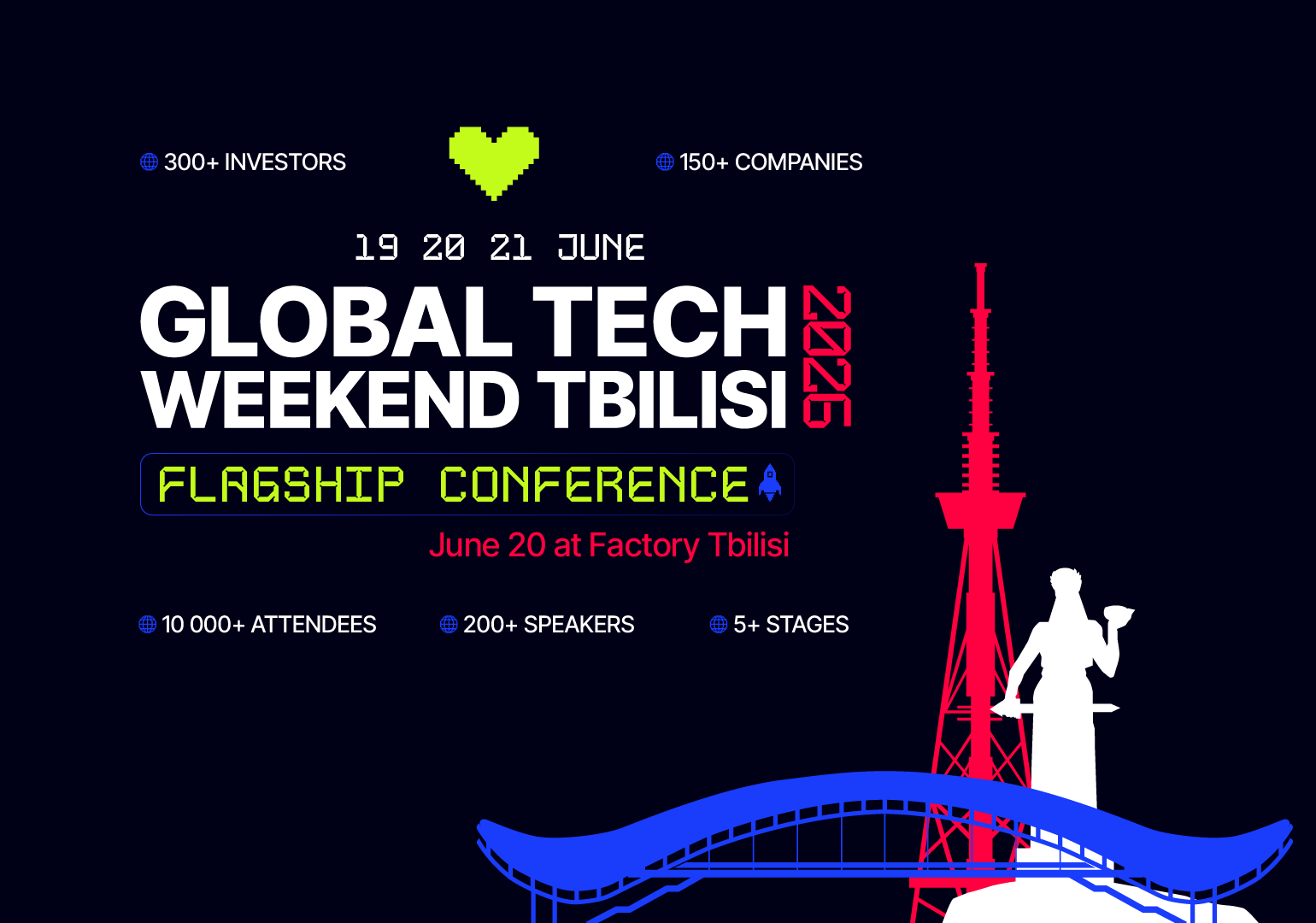
For three days, Tbilisi was no longer just a city between Europe, the Caucasus, and Central Asia.
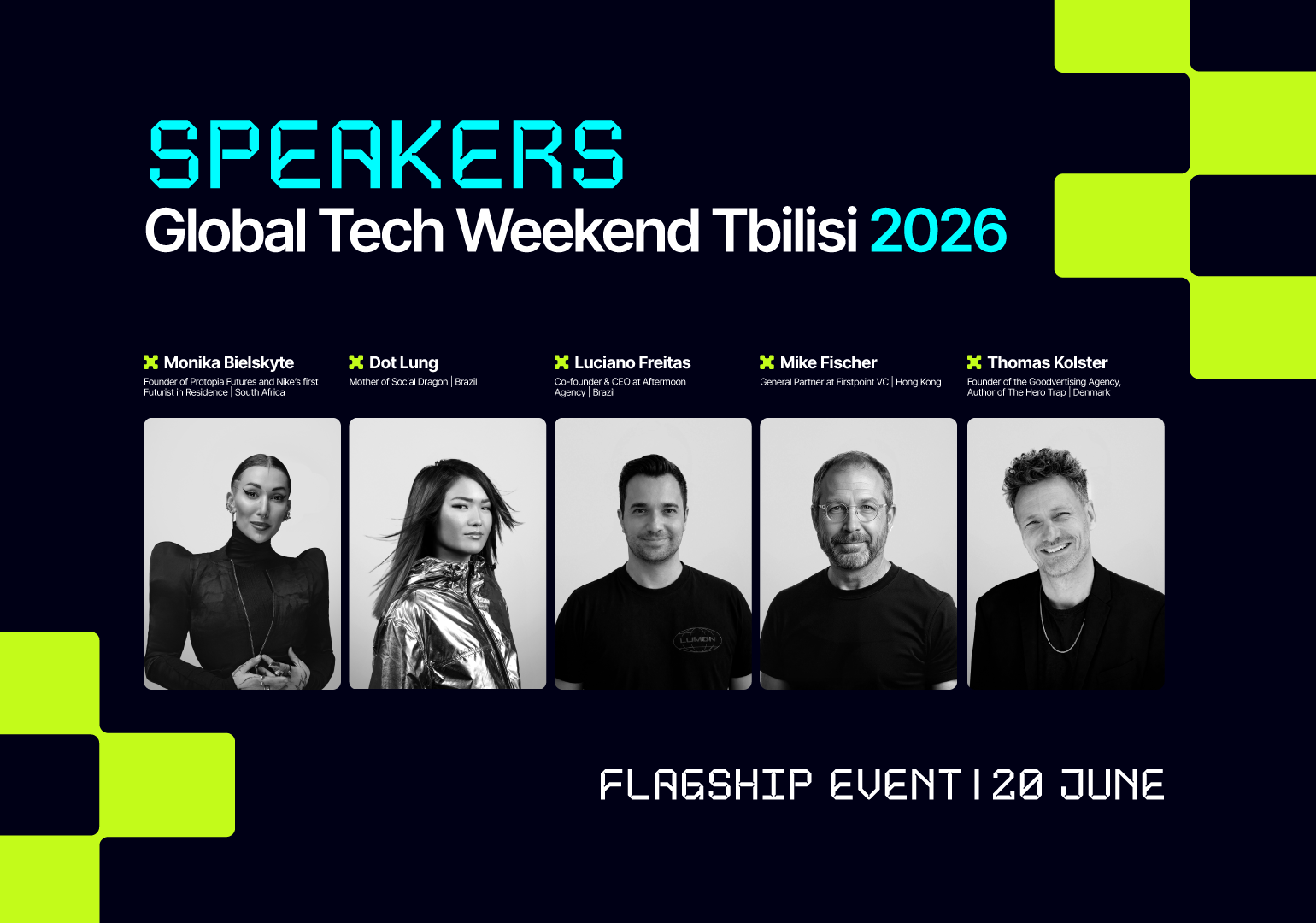
During Global Tech Weekend Tbilisi, it became a point of convergence for people who usually meet in different places: founders, investors, AI teams, fintech operators, creative industries, banks, developers, Web3 projects, and those building the infrastructure for the next technological cycle.
The main insight from GTWT is that technology no longer exists separately from the city, capital, culture, and trust.
In the past, conferences often served as showcases for products. Here, the feeling was different: Tbilisi was not trying to present itself simply as a location for an event, but as a new regional hub capable of connecting markets, people, and ideas.
The format played a key role.
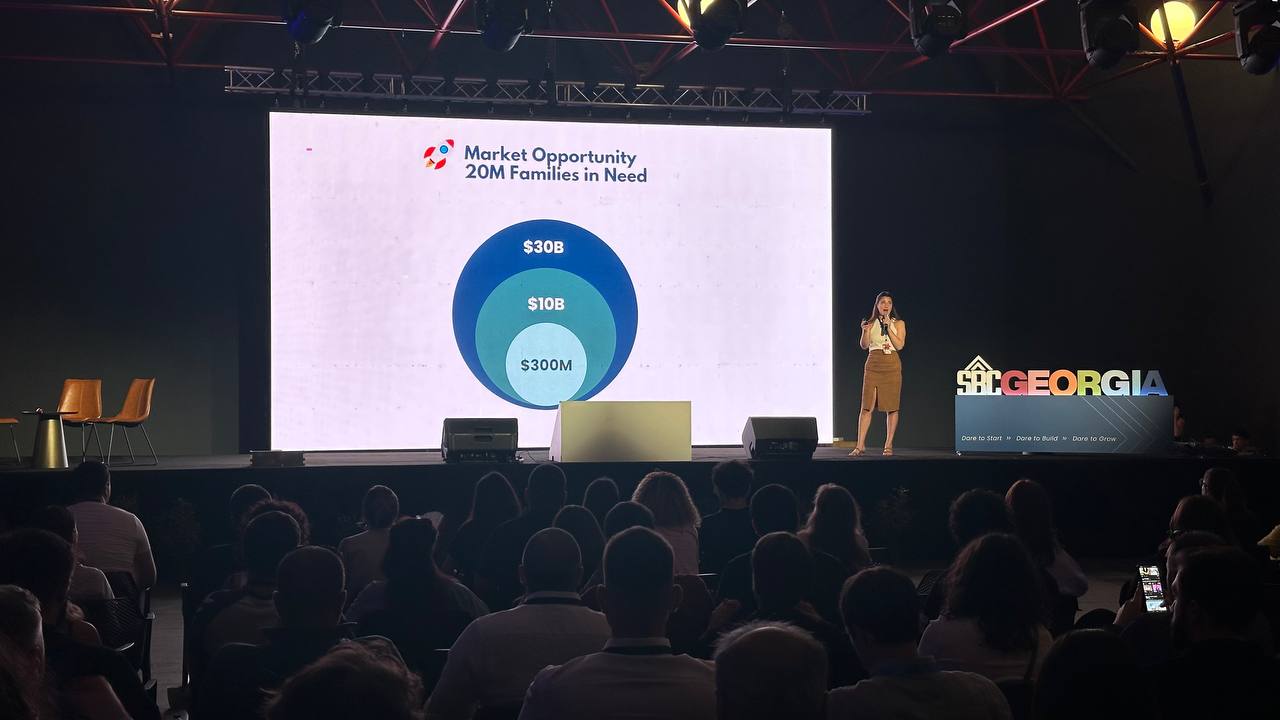
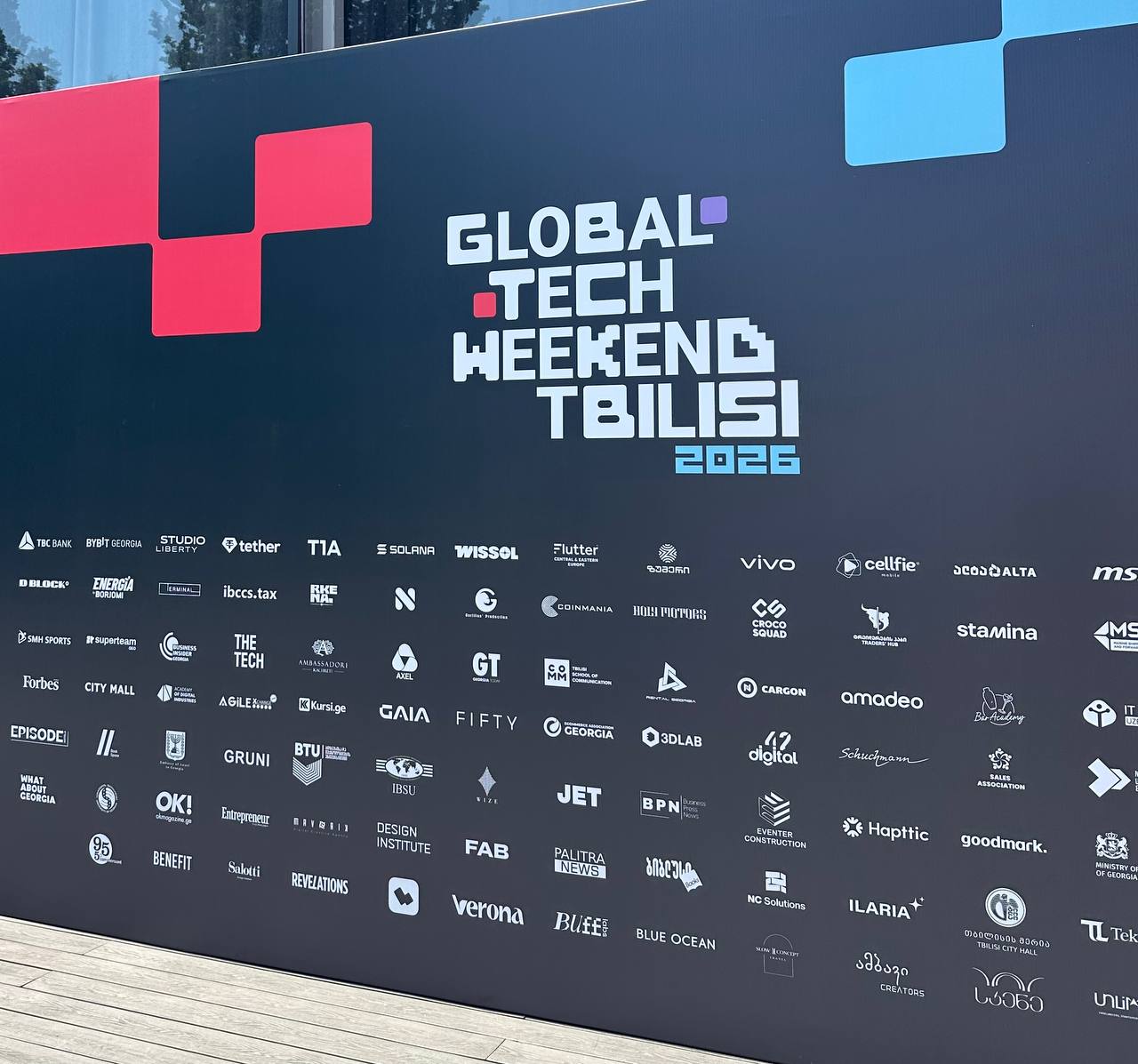
Global Tech Weekend was not built around one stage and a few panels, but as a decentralized movement across the city. Side events, workshops, closed-door meetings, investor formats, networking zones, and the main day at Factory Tbilisi created the feeling not of a conference, but of an entire tech week compressed into one weekend.
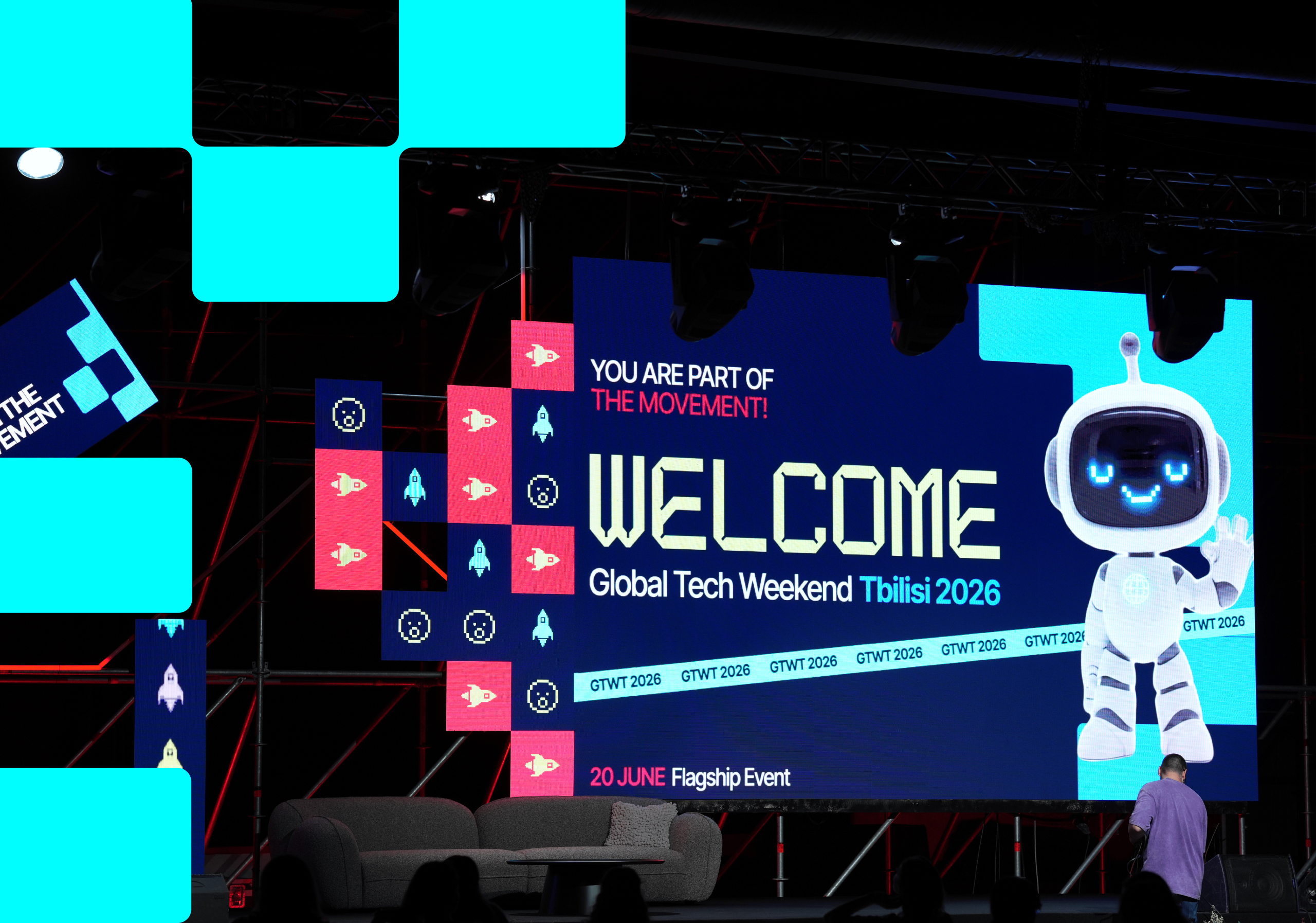
On the surface, it looked like a large-scale event: stages, speakers, investors, startups, partners, an afterparty, and a cultural program.
But on a deeper level, GTWT revealed several more important shifts.
AI Has Become the Language of Every Industry
The first is that AI has finally stopped being a topic for a separate panel.
It has become the language spoken by almost every industry. In the creative sector, AI was discussed not as a tool for generating beautiful images, but as a new production layer. In finance, it appeared as part of risk management, onboarding, compliance, and customer experience. In software, it emerged as a factor changing the very economics of development: smaller teams, faster cycles, and greater responsibility placed on product logic.

Fintech and Web3 Are Growing Up
The second insight is that fintech and Web3 are growing up.
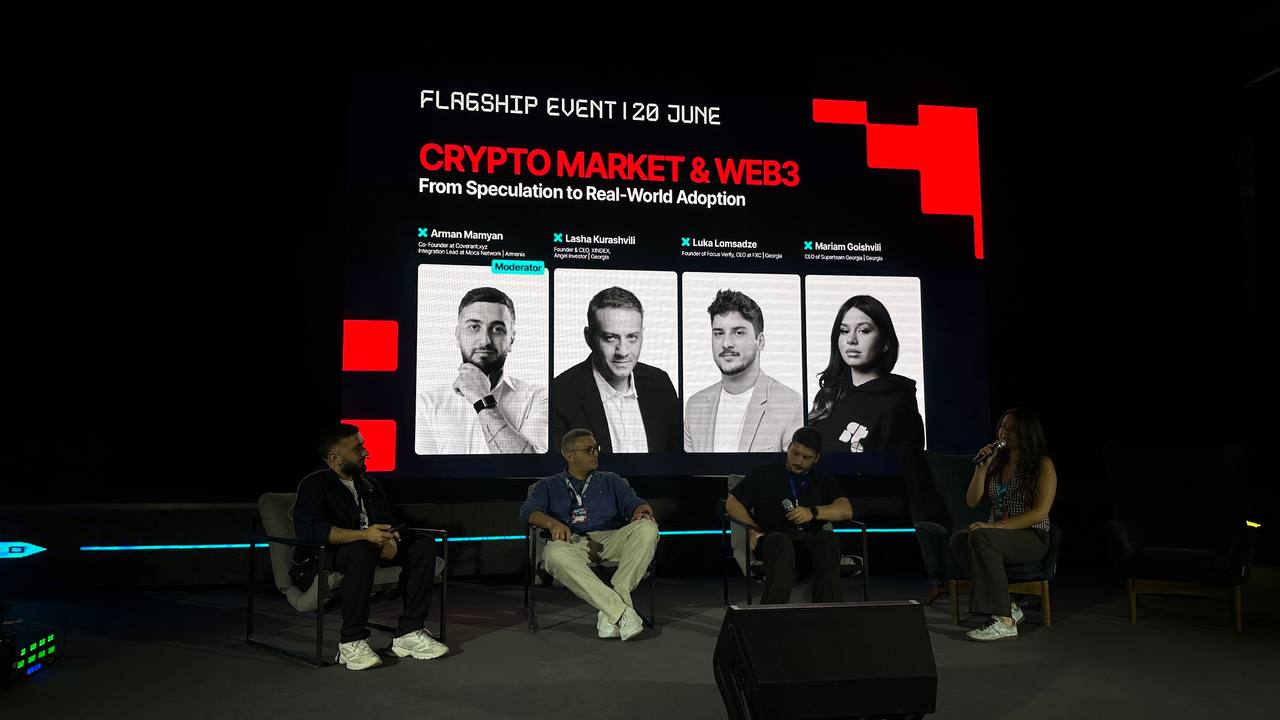
The conversation is becoming less about hype and more about infrastructure: regulation, banks, payments, compliance, tokenization, trust, and institutional partnerships.
For the region, this is especially important. The Caucasus and Central Asia do not have to copy old financial models. They have a chance to build hybrid infrastructure from the start, where digital assets, banking products, and international payment scenarios do not exist separately, but within one system.
Investors Are Looking at Smart Edges
The third point is that investors are no longer looking only at “large markets,” but also at “smart edges.”
GTWT highlighted this clearly: the future does not have to be born only in San Francisco, London, or Dubai. New ecosystems are becoming interesting precisely because they have less fatigue, more speed, and a greater readiness for unconventional solutions.
In this sense, Tbilisi does not look like a periphery, but like a bridge between Eastern Europe, Central Asia, the Middle East, and global capital.
Technology Can No Longer Be Separated From Culture
The fourth shift is that technology can no longer be separated from culture.
Alongside AI, venture, and fintech, the program included creative tech, fashion tech, gaming, entertainment, tourism, real estate, and hospitality.
This is an important signal: the next stage of growth will not happen only through code and investment, but also through experience, identity, community, and the urban environment. It is no longer enough for a startup to be technological. It has to be understandable, visible, and embedded in context.
Networking Has Become the Main Product
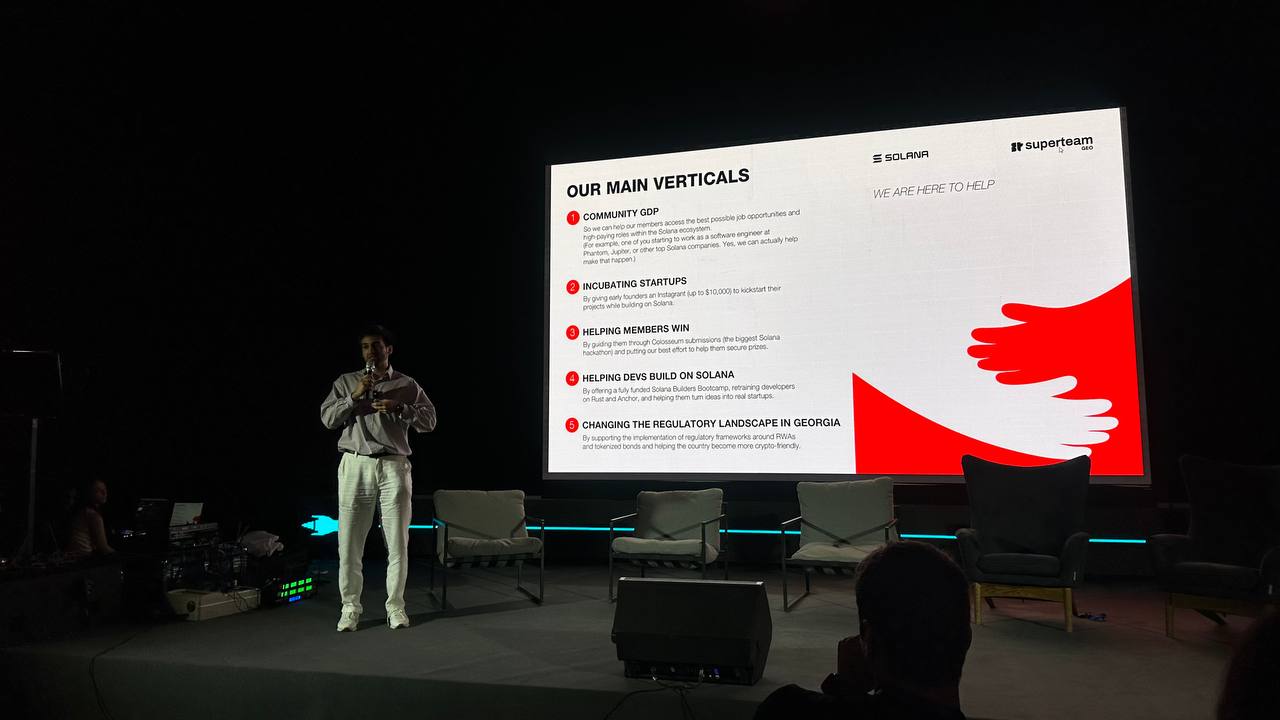
The fifth point is that networking has become not a side effect, but the main product.
In a world where almost any information can be found online, the value of offline events has shifted. People come not just to listen to talks. They come to test trust, feel the energy of a team, speak without filters, and find partners who cannot be reached through a cold email.
GTWT built an entire mechanism around this: investor lounges, side events, founder meetings, closed formats, and urban points of attraction.
Tbilisi as an Organic Stage
The role of Tbilisi itself deserves special attention.
The city turned out to be an organic stage for such an event. It is international enough to bring together different audiences, but still alive and informal enough not to turn a tech forum into a sterile exhibition.
It is easier to talk here, easier to connect, and easier to feel that the ecosystem is still being built – which means you can enter it not as a spectator, but as a participant.
A New Regional Tech Agenda
Global Tech Weekend Tbilisi showed that the regional tech agenda is becoming increasingly independent.
This is no longer a conversation about how to “catch up” with major markets. It is a conversation about what role the Caucasus, Central Asia, and neighboring ecosystems can play on the new map of technology, capital, and entrepreneurship.
The main takeaway after GTWT is simple: the future does not arrive in one single center.
It is distributed.
And the cities that can connect capital, talent, culture, a regulation-friendly environment, and international networks will become the new points of growth.
During these three days, Tbilisi made exactly that kind of statement.
ABOUT THE AUTHOR
Julia Upiterskaya
Founder of JULS and REVELATIONS
Julia Upiterskaya is a Dubai-based communications entrepreneur, founder of JULS and REVELATIONS, and an international technology moderator and speaker. With more than 10 years of experience across media, communications and events, she has worked with over 100 companies across emerging technology and innovation. Her current focus spans artificial intelligence, wellness and the technologies reshaping how people live, work and build businesses. Through JULS and REVELATIONS, Julia works at the intersection of strategic communications, founder positioning, technology, culture and global communities.