Born as a podcast. Built as a media platform.
How AI rewires thinking. How money, work, and status are evolving. Clean, analytical, precise.
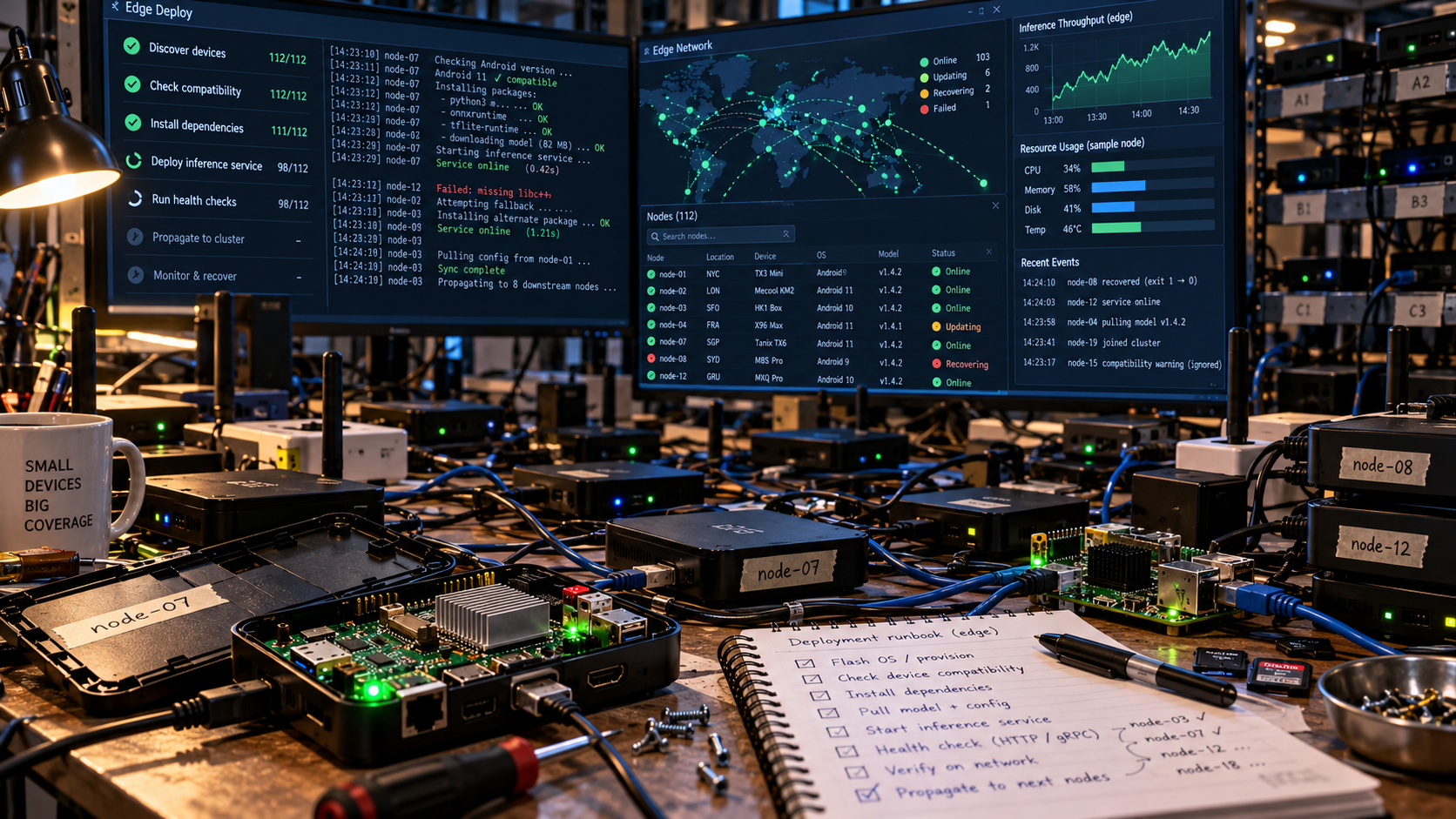
Anthropic’s controlled experiment did not produce an autonomous AI worm. It did show how smaller models are getting better at the tedious infrastructure work that could make future propagation easier.
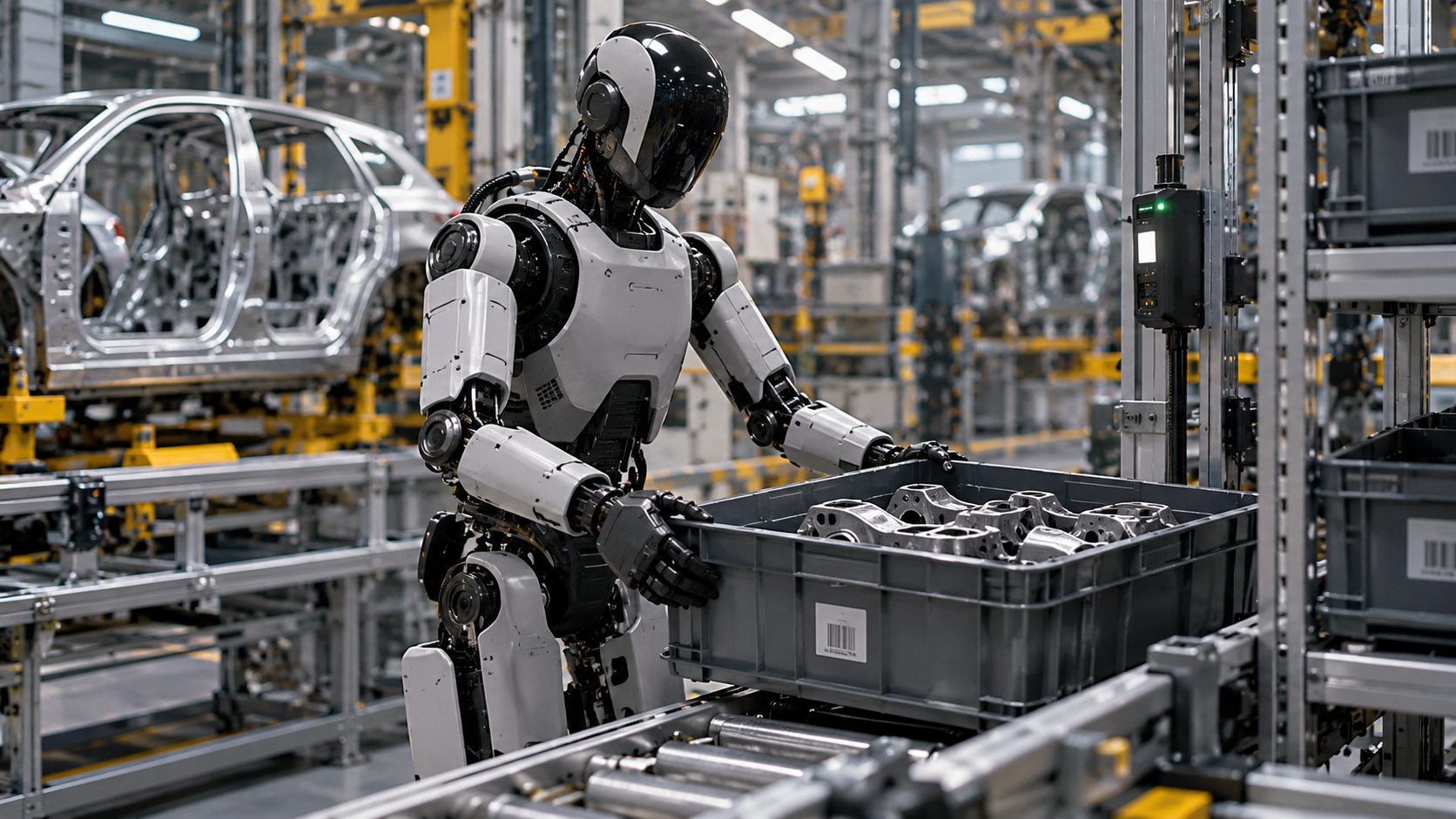
Boston Dynamics' Atlas is moving from public demonstration toward a stated factory roadmap. Its real test will be less about human-like movement than contact, safety, integration and repeatable performance.
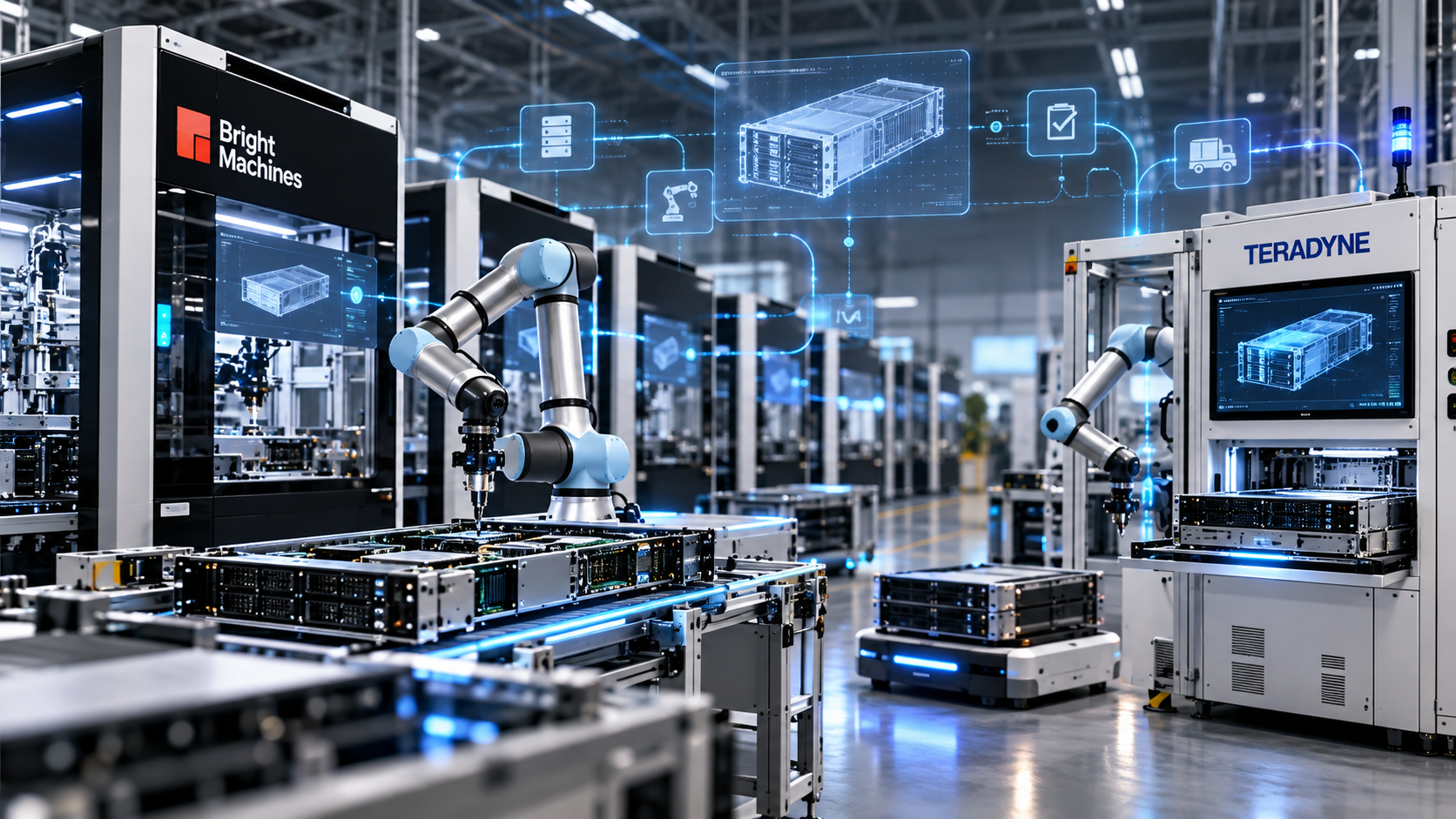
Teradyne's investment in Bright Machines points to a shift from isolated automation tools toward coordinated production systems for AI infrastructure - though the proposed integration remains an evaluation, not a proven deployment.
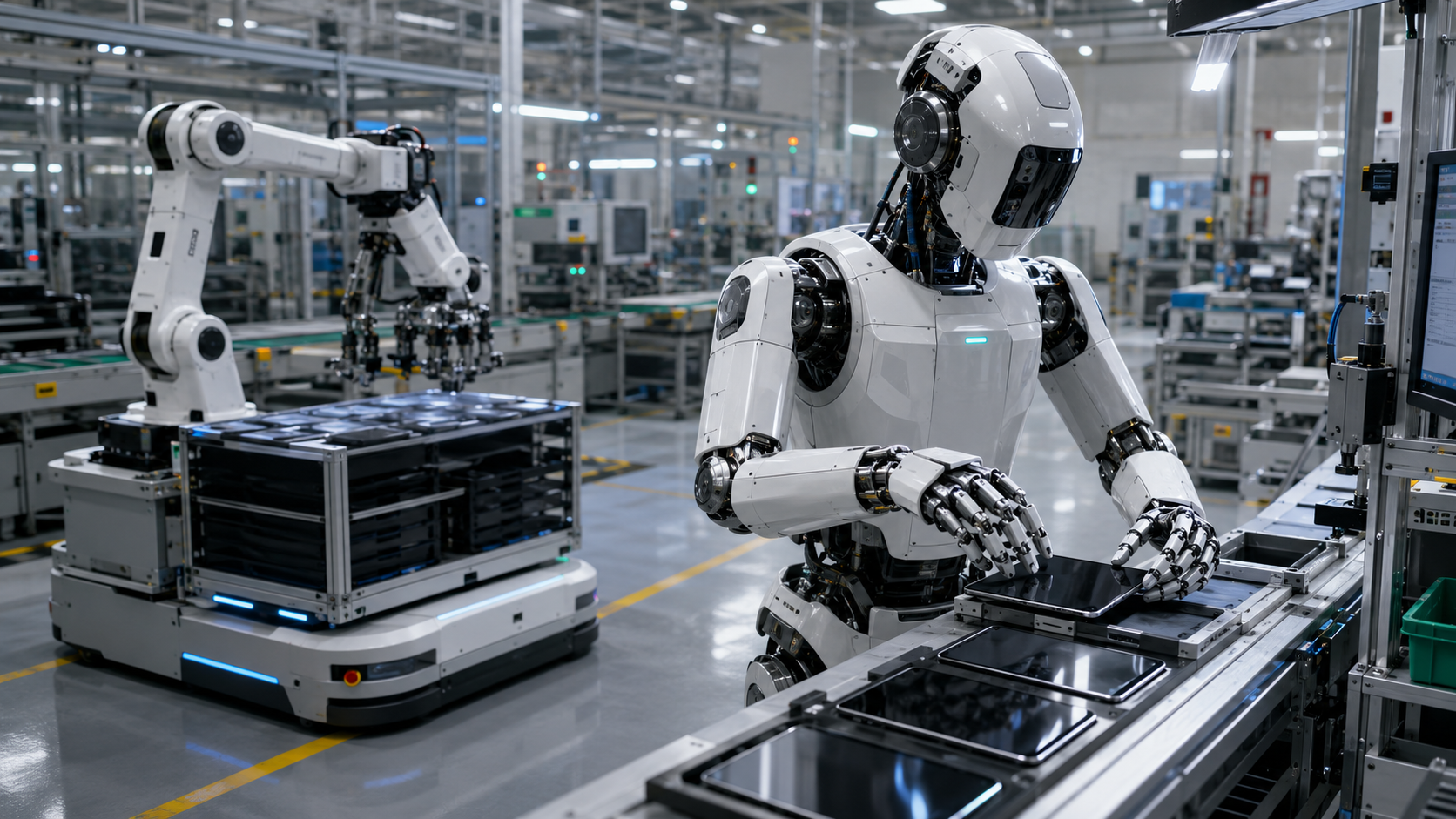
AGIBOT used WAIC 2026 to present four embodied AI products and industrial deployments designed to show that robots can operate inside real production and service workflows - not merely perform impressive demonstrations.
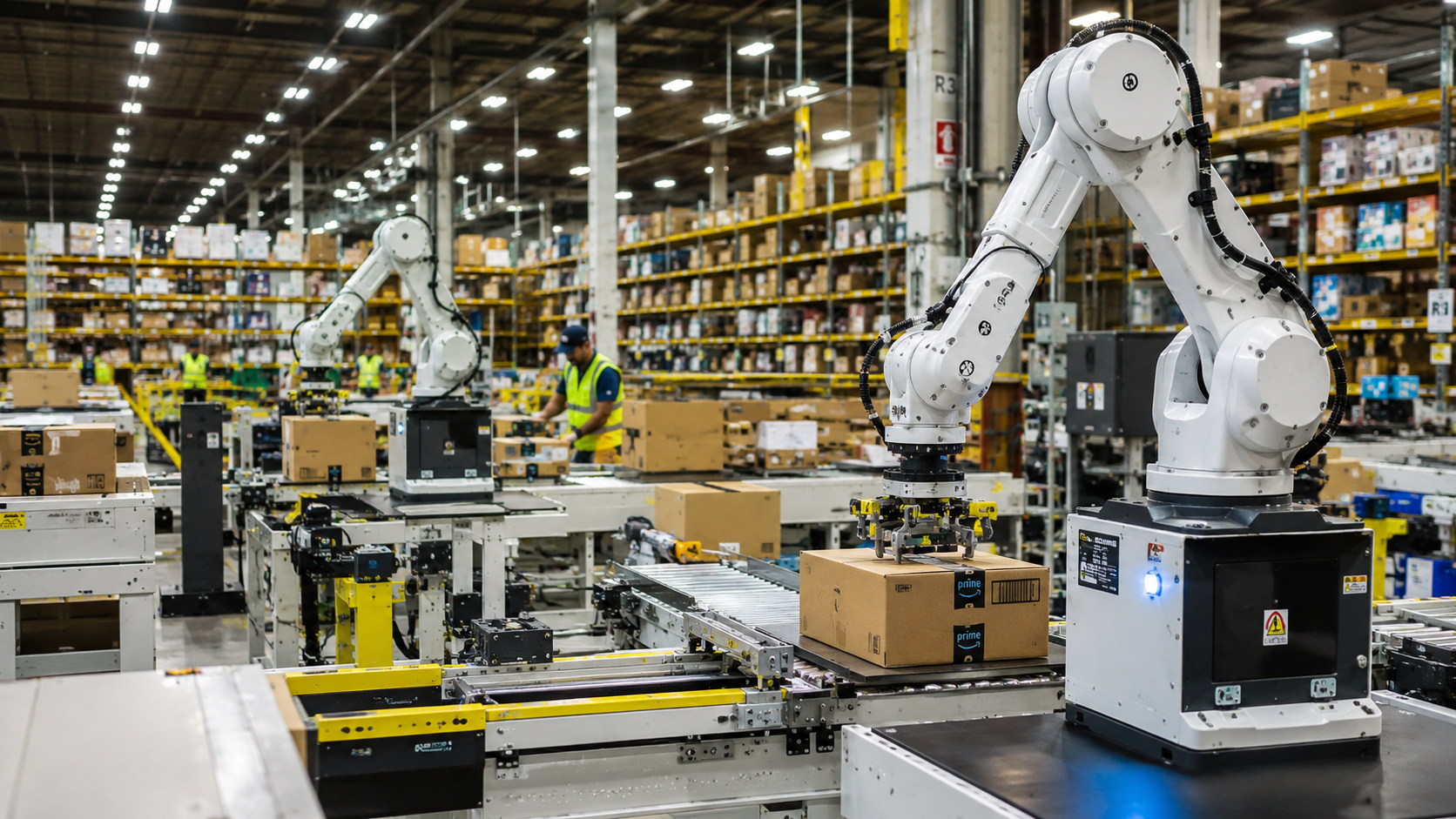
The future of work probably will not enter the office wearing a silver suit. It may arrive in a warehouse, fold a box and ask for no applause.
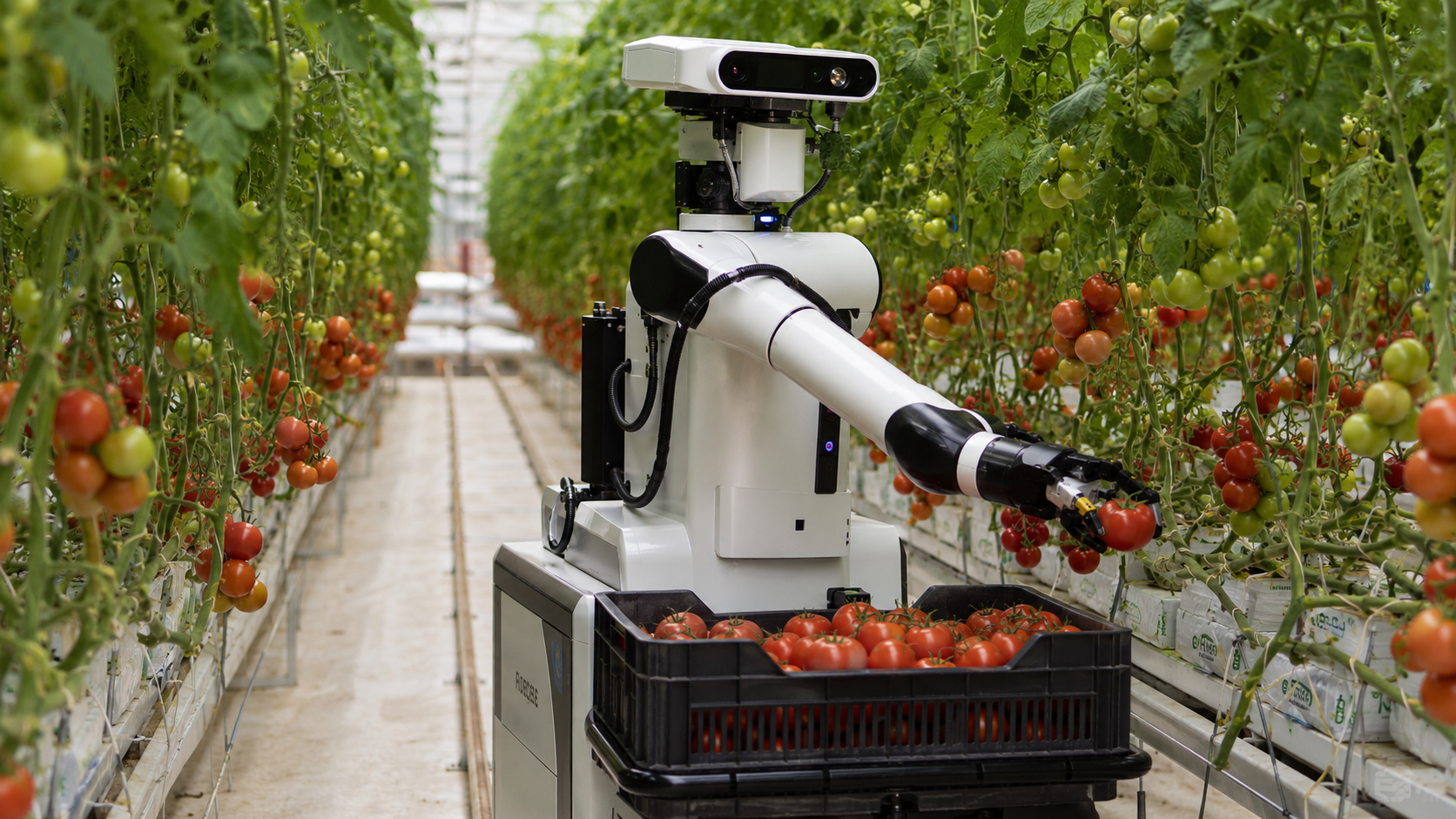
For a long time, the “future of food” was discussed like a restaurant concept: vertical farms, lab-grown meat, smart kitchens, protein with better branding. But food production has a less fashionable problem. Someone still has to harvest the crop.
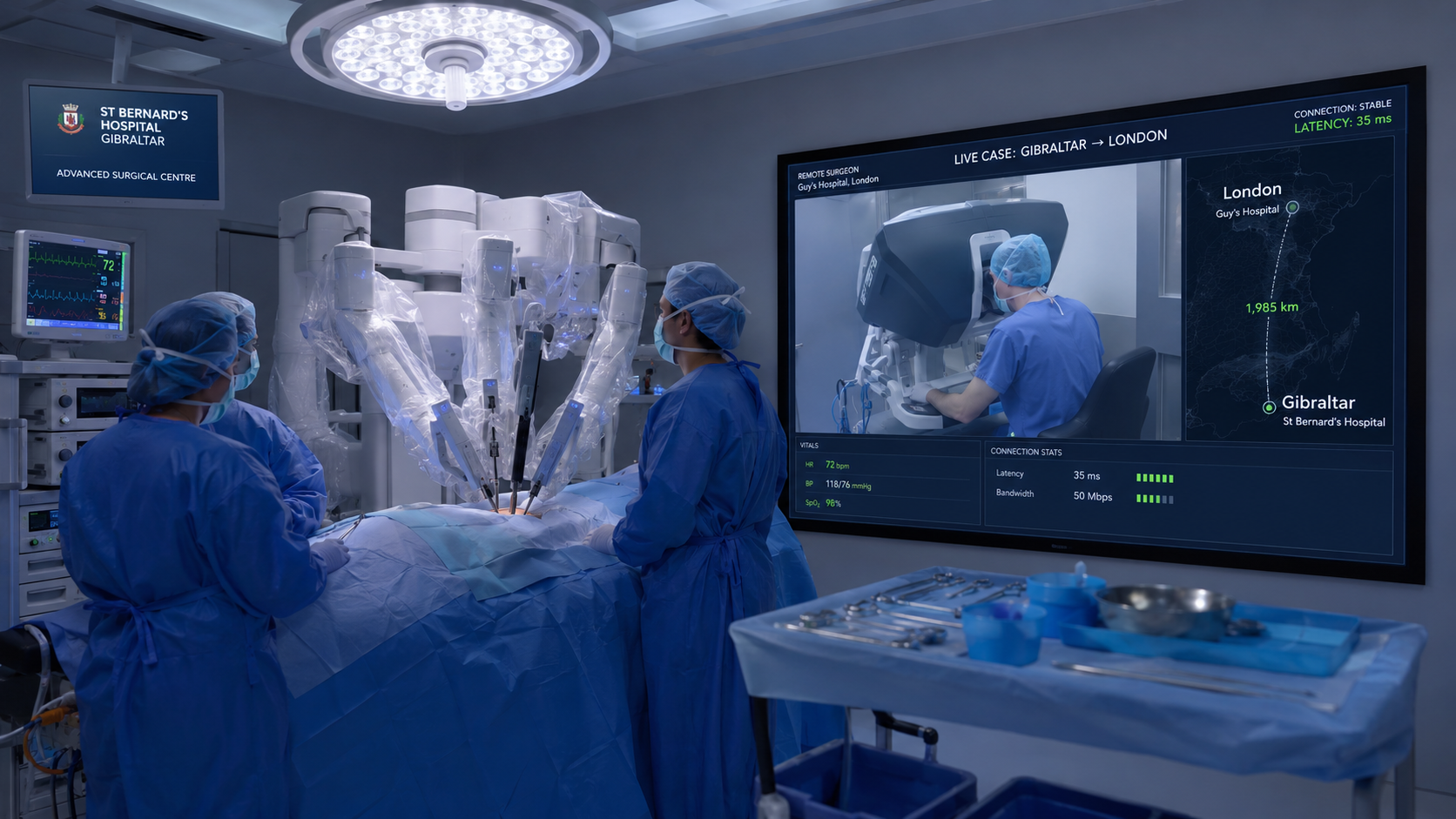
The operating room used to be one of the most location-dependent places on Earth. The patient, the surgeon, the tools, the pressure, the silence - all had to be in the same room. Now that room is becoming a network.
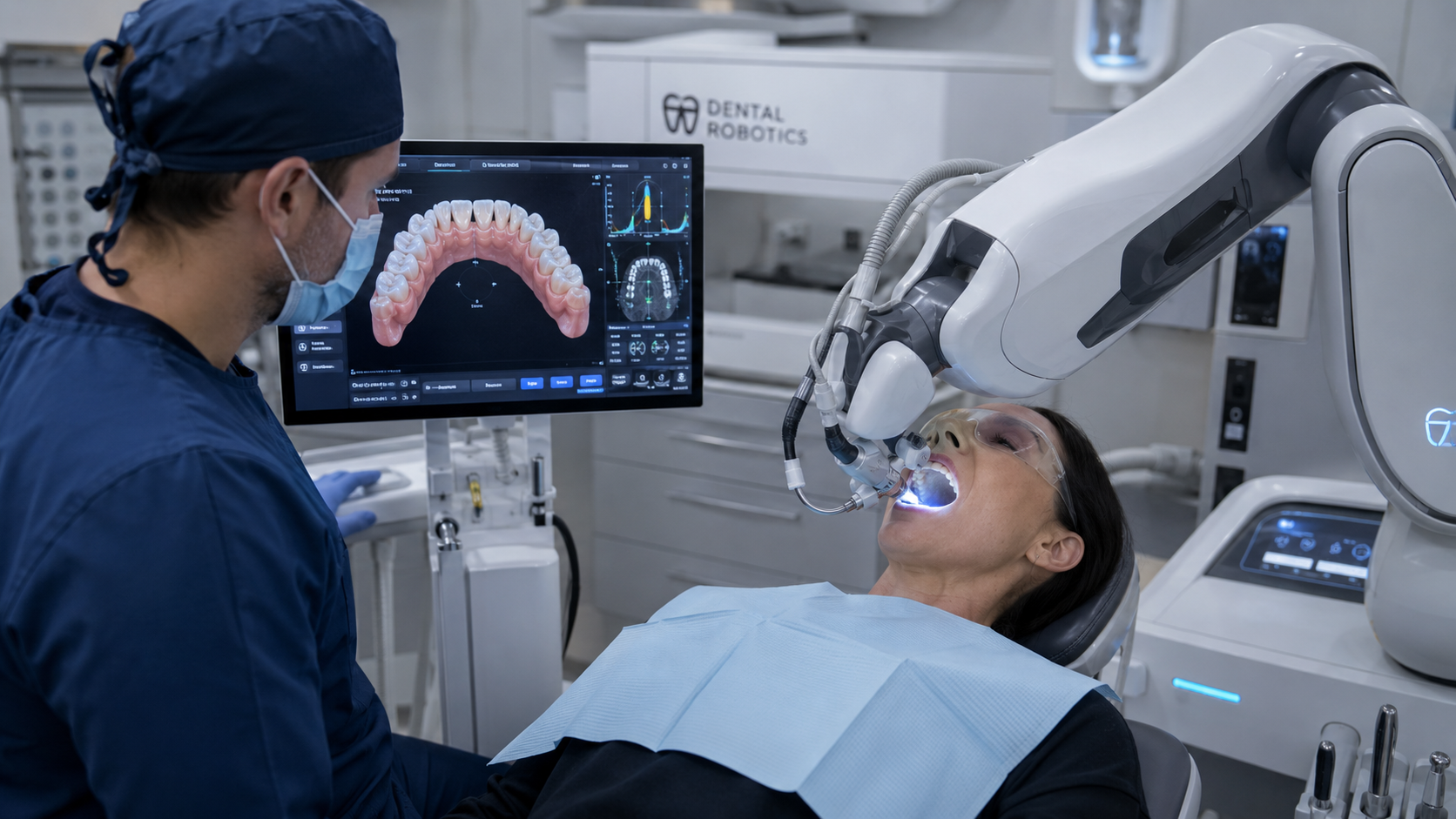
There are few places where humans feel less futuristic than the dentist’s chair. You lie back, open your mouth, hear a machine begin to scream, and suddenly civilization feels very fragile.
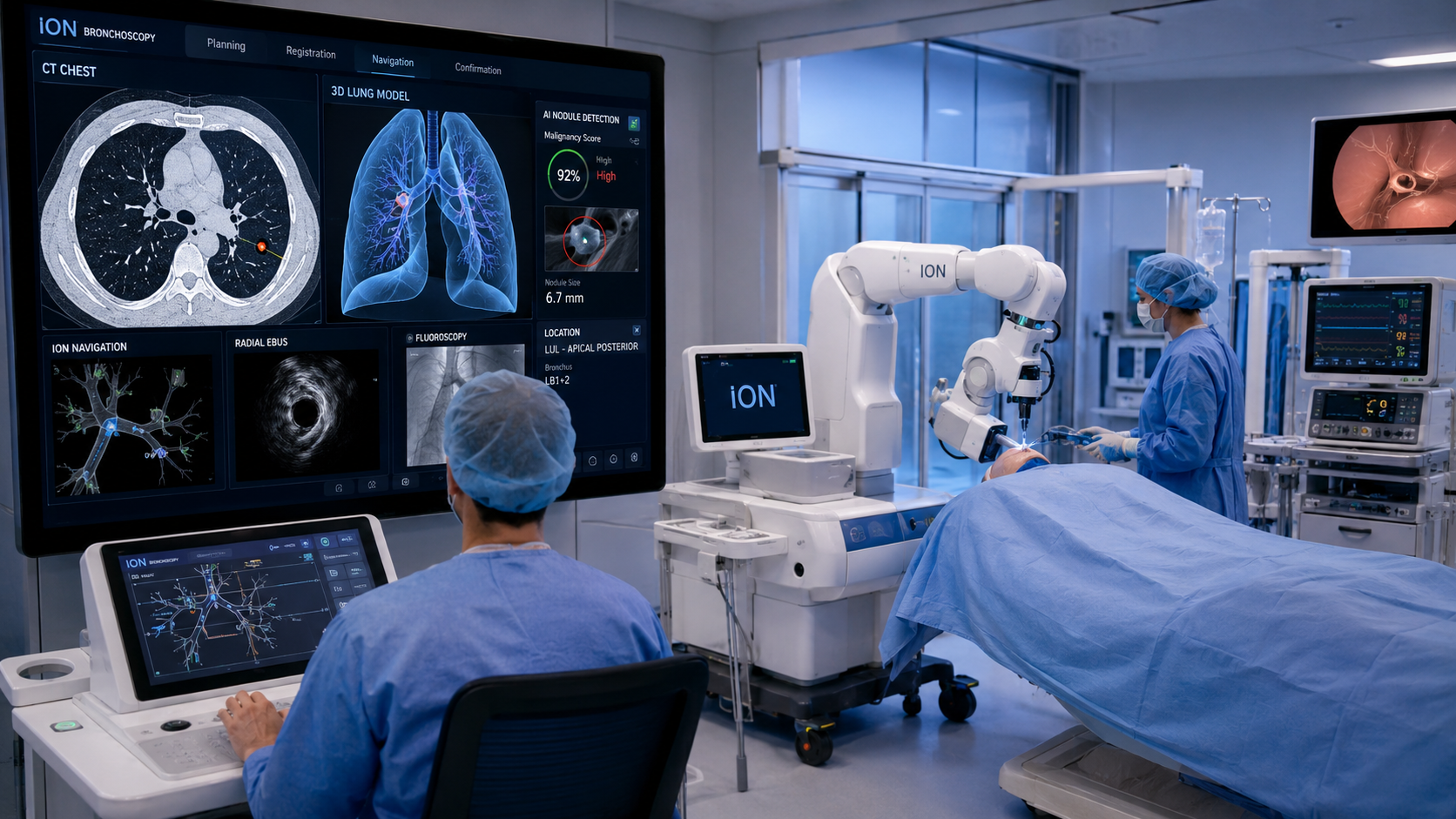
NHS England has launched a pilot that combines artificial intelligence with robotic technology to help doctors detect and diagnose lung cancer earlier.